Journal · argan oil
Argan Oil: Why Moroccan Women Have Trusted It for Generations
· 4 min read
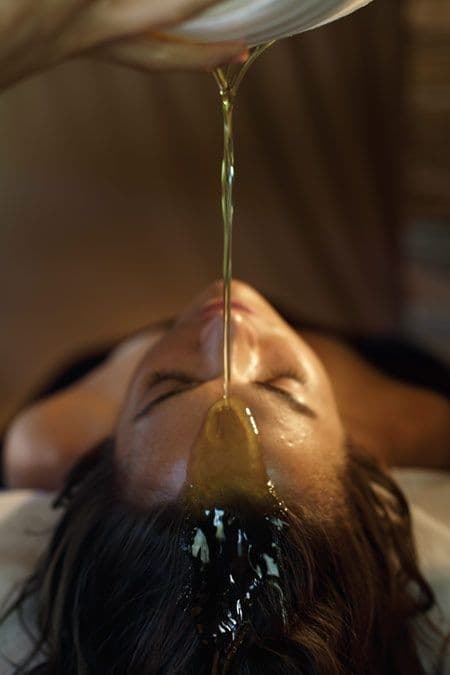
Open a Moroccan kitchen cabinet or bathroom drawer and there is a good chance you will find a small bottle of golden oil. It might be poured over bread at breakfast, rubbed into dry hands or combed through a child's hair. Argan oil has been part of everyday life in Morocco for longer than anyone can say exactly.
Here is a plain look at where it comes from, how to choose a good one and why it belongs in a hammam ritual.
A tree that grows almost nowhere else
The argan tree grows wild in the southwest of Morocco, mostly in the Souss region between Essaouira and Agadir. It is a tough, thorny tree that survives in dry, hot ground where little else will, and it can live for around two hundred years. The area where it grows is recognised by UNESCO as a biosphere reserve.
The fruit looks like a small green olive. Inside is a hard shell, and inside the shell are the kernels that become the oil.
How the oil is made
Traditionally, the work is done by Amazigh women. The fruit is collected, dried and peeled, and the nut is cracked open by hand between two stones. The kernels are then pressed to release the oil. A small bottle represents many hours of labour, which is why genuine argan oil is never very cheap.
There are two kinds, and they are not interchangeable. Kernels roasted before pressing give a dark oil with a strong nutty smell, and that one is for cooking. Raw kernels give a pale golden oil with a very light scent, and that one is for skin and hair.
What it feels like on the skin
Argan oil contains vitamin E and fatty acids, which is why it has such a long history as a moisturiser. In practice, people notice that it sinks in fairly quickly and leaves skin soft without a heavy film. It is used on the face, body, hands, nails and the ends of the hair.
We would rather be honest than make big claims. It is a very good natural moisturiser and a lovely oil for massage. It is no medicine, and it will not change your life overnight. It will make dry skin feel comfortable, and that alone is worth having.
How to choose a good bottle
A few simple habits will save you from disappointment.
Read the ingredient list. For cosmetic argan oil it should say one thing only, usually listed as Argania Spinosa kernel oil. Several ingredients means you are buying a blend.
Check the container. Good oil comes in dark glass, because light spoils it over time.
Smell it. Cosmetic argan oil should smell faint and slightly nutty. A strong roasted smell means it is food grade, and a chemical smell means you should put it back.
Be sceptical of a very low price. A huge bottle for a few euros rarely contains what it claims.
Why it belongs in the hammam
In a traditional hammam, argan oil comes after the black soap and the scrub. By then the skin is warm, clean and open, and it takes in oil much more easily than on an ordinary day. A small amount, rubbed in slowly, leaves the skin soft and calm for hours.
In our massage rituals
We use argan oil in the massage because it works well under the hands. It glides without slipping, it warms quickly and it leaves a faint natural scent instead of a perfume. Our founder, Iman, grew up with it, so for her it is nothing fashionable. It is simply what you use when you want to take care of someone.
A note for sensitive guests
Argan oil comes from a nut kernel, so if you have a tree nut allergy, please tell us before your visit. If your skin is very sensitive, you can also ask for a small patch test beforehand. We would much prefer to adjust the ritual than have anyone feel uncomfortable.
A small bottle with a long story
The next time you see a golden bottle on a shelf, remember where it came from: a hardy tree in the south of Morocco, a pair of stones and a woman with a great deal of patience.
If you would like to feel it in a ritual, we would be glad to welcome you in Bassano del Grappa.